

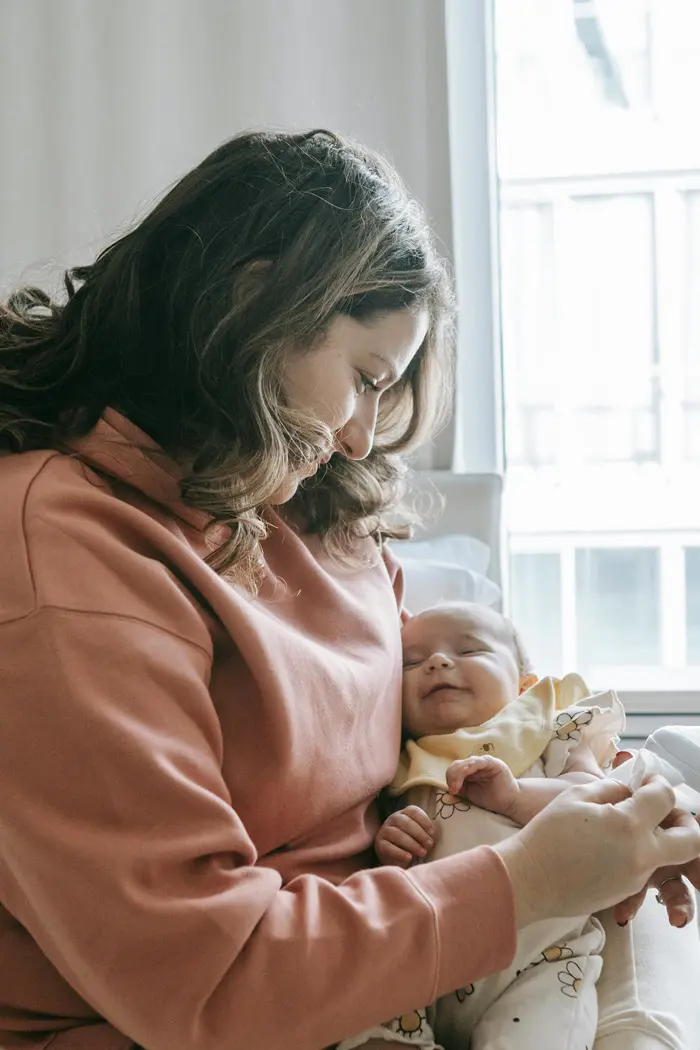
Have you ever witnessed your sleeping baby erupt in a cheeky smile? Seeing this is enough to melt any parent's heart. However, you may feel confused about why they smile during sleep.
Are they dreaming and seeing happy things behind those closed eyelids or is there some other reason? Let's delve into the science behind these mysterious smiles at sleep. Parents need to be aware of whether the situation is normal or requires medical attention.
1. Dreaming
Although babies' dreams are unlike adults' dreams, they likely involve sensory impressions and simple emotions. During REM (Rapid Eye Movement) sleep, the brain is highly active, and newborns are believed to experience dream-like states.
Smiling can be a reaction to these pleasant sensations or experiences. When their brains process and integrate new information, the simple, joyful stimuli they encounter during the day like familiar voices can manifest as smiles during sleep.
2. Emotional Development
Emotional development is a good reason to explain "Why do babies laugh in their sleep?" During sleep, especially in the REM stage, a baby’s brain is highly active. They are processing emotions and experiences.
Smiling during sleep can be an indication of this emotional processing. Babies start to experience a range of emotions as they grow. Then, their brains work to understand and manage these feelings.
3. Smile Reflex
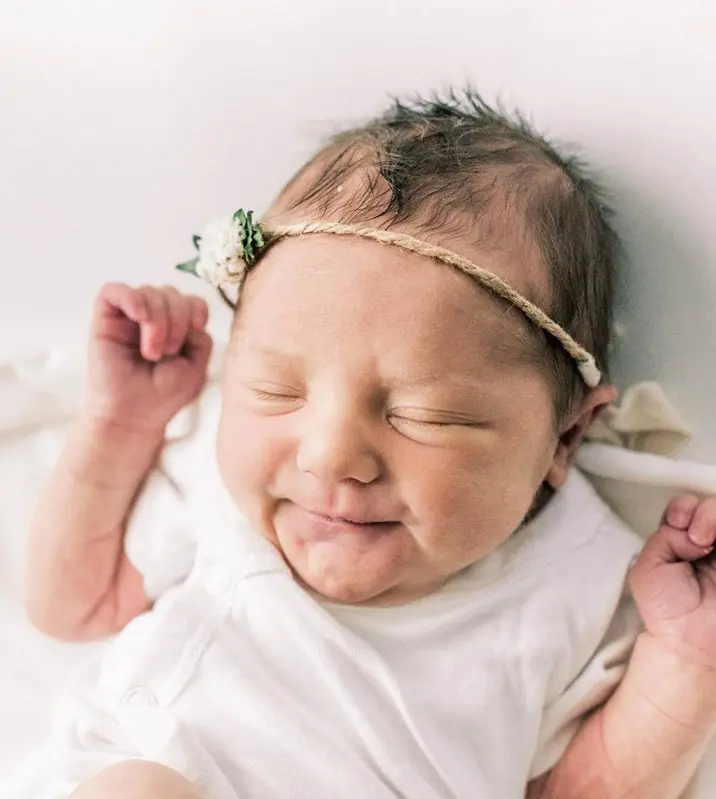
Smile Reflex is also known as an endogenous or reflexive smile. It's an involuntary reaction that occurs in newborns, often during sleep. It's crucial to know that these smiles are not triggered by external stimuli but are instead a part of the baby's natural neurological development.
It is linked to the brain's activity during REM sleep, a phase where dreaming and significant neural activity happen. Although these smiles are not responses to joy, the smile reflex aids in the development of facial muscles.
4. Passing Gas
Babies may smile in their sleep as a response to passing gas. They have immature digestive systems that can cause gas buildup. When they release gas, it could lead to immediate relief, which may be expressed as a smile.
This involuntary reaction is similar to the way adults might sigh in relief. When the infant’s muscles relax during sleep, passing gas might be more frequent and the relief more noticeable. This action showcases the interplay between physical sensations and facial expressions.
5. Mimicking Facial Expressions
Around 3 months of age, babies will learn new skills and get to interact more. They can learn to imitate you, follow your movements, and mimic your facial expressions. While they are sleeping, they may smile due to the subconscious mimicry of facial expressions observed during their waking hours.
This mimicry is part of their early social and emotional development. The facial muscles can replicate the smiles and other expressions they have witnessed, leading to a cute smile.
6. Response To Internal Stimuli
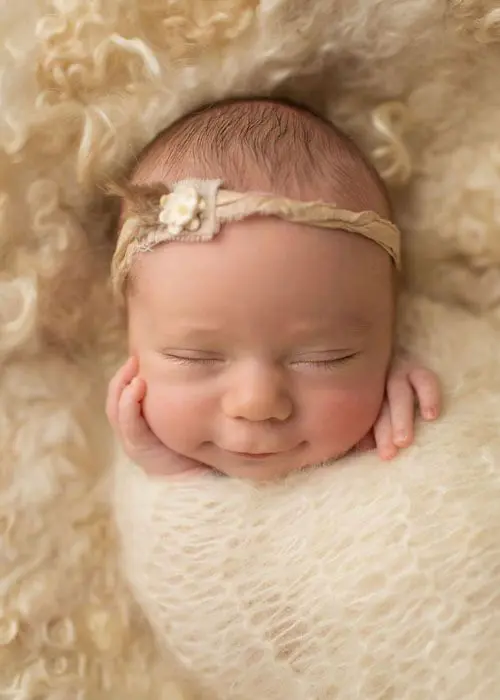
Babies smiling in their sleep can be because of their responses to internal stimuli, like bodily sensations or neurological activity. When their nervous system develops, various internal processes can trigger spontaneous smiles.
The smiles can result from the activation of the brain's pleasure centers, just like how adults experience pleasant dreams. Likewise, physiological sensations, like digestion or the feeling of warmth can also create comfort and elicit a smile during sleep.
7. Bonding And Attachment
Why do newborns smile in their sleep? One reason can be linked to bonding and attachment. In the REM stage of sleep, a baby's brain actively processes emotions and experiences.
Smiling could be a way of reinforcing positive emotions and the sense of security they feel from their parents. Likewise, this behavior can aid in strengthening the bond between the baby and their parents. Soothing voices, gentle touches, or the memory of a parent's comforting presence can warrant a cute reaction of a smile.
8. Parasomnia
Unlike the other reasons mentioned above, Parasomnia is a medical situation that you need to understand for your baby. Parasomnia refers to abnormal behaviors during sleep, especially seen in children.
During this condition, it can cause smiles or other facial expressions during sleep. This is especially highlighted during the REM sleep stage when brain activity is high. Other abnormal movements and expressions can also be witnessed during this condition.
When To Consult A Doctor?
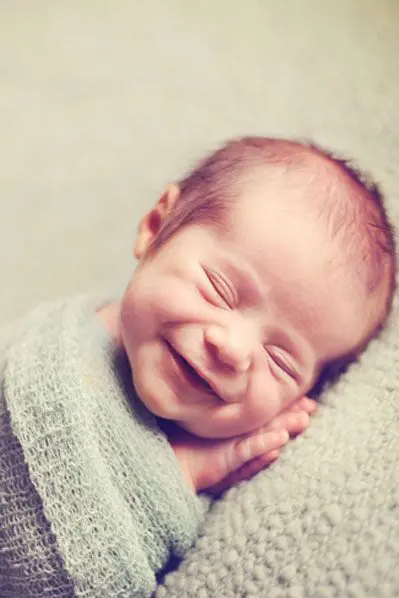
Although your baby smiling during sleep is usually not a concerning thing, not all situations warrant a healthy factor. There may be some underlying issues when you explore the "Why my baby smile while sleeping?" issue.
Such scenarios need to be identified quickly, since if they are left untreated, it can lead to worse consequences. Here are some of the situations where you need to consult a doctor:
- Persistent Unusual Behavior - Your baby’s sleep smiles can be accompanied by other unusual movements or vocalizations frequently. If you come across this situation, it may indicate a sleep disorder or neurological issue.
- Sleep Disturbance - Your child can witness disturbance while sleeping. If they show signs of discomfort or pain while sleeping, discuss these patterns with a proper doctor. Irritability and restlessness can also be a disturbing factor.
- Lack of Developmental Milestones - When your baby is not reaching other developmental milestones as expected, it is vital to consult a doctor to ensure overall healthy development.
- Weight Loss - It's important to visit a doctor if your baby’s sleep smiles are linked to significant weight loss. In infants, weight loss can indicate health issues like feeding problems or metabolic disorders.
- Laughing For No Reason - Another situation is when your baby performs excessive or uncontrolled laughter. This can seem out of character or frequent without clear cause.
- Other Physical Symptoms - If you come across other physical symptoms in your baby, then you can quickly consult a doctor for a good treatment. For instance, other symptoms can include changes in behavior, sleep disturbances, or physical discomfort.
How Does A Baby Learn To Smile?
A baby smiling is one of the cutest things you can behold in your life. This journey begins with basic reflexes in the first few weeks, driven by their developing sensory and motor skills.
There are various stages to understanding the topic of "when do babies smile". From eyesight to facial muscles, they will start to mimic their parent's expressions.
1 to 2 Months
In the early weeks, a baby’s ability to smile is generally reflexive. Their vision improves, allowing them to focus on faces and follow movements.
They can start to gain control over their facial muscles and can mimic expressions, like sticking out their tongue or raising their eyebrows. This sets the foundation for purposeful smiling.
2 to 3 Months
By around 8 weeks, many babies begin to smile intentionally. Smiling becomes more frequent as they start engaging socially.
They can use smiles to attract attention or respond to social cues. Interaction with parents includes smiling and talking. This will aid in encouraging reciprocal smiles, which enhances their social development.
3 to 4 Months
Once a baby reaches 3 to 4 months of age, they begin to hold eye contact longer and show preference for familiar faces.
Their smile become more deliberate and they start reserving their best smiles for the people they are more familiar with. This smiling phase offers a significant step in the baby's emotional and social bonding.
5 to 6 Months
Babies smile readily and turn more interactive when they reach the age of 6 months. They can enjoy games like peek-a-boo. Their traits start to shine through.
Here, smiling becomes a regular part of their communication as they explore their surroundings and sate their curiosity. This signals both emotional growth and better social engagement.
What Does Smiles In Sleep Mean?
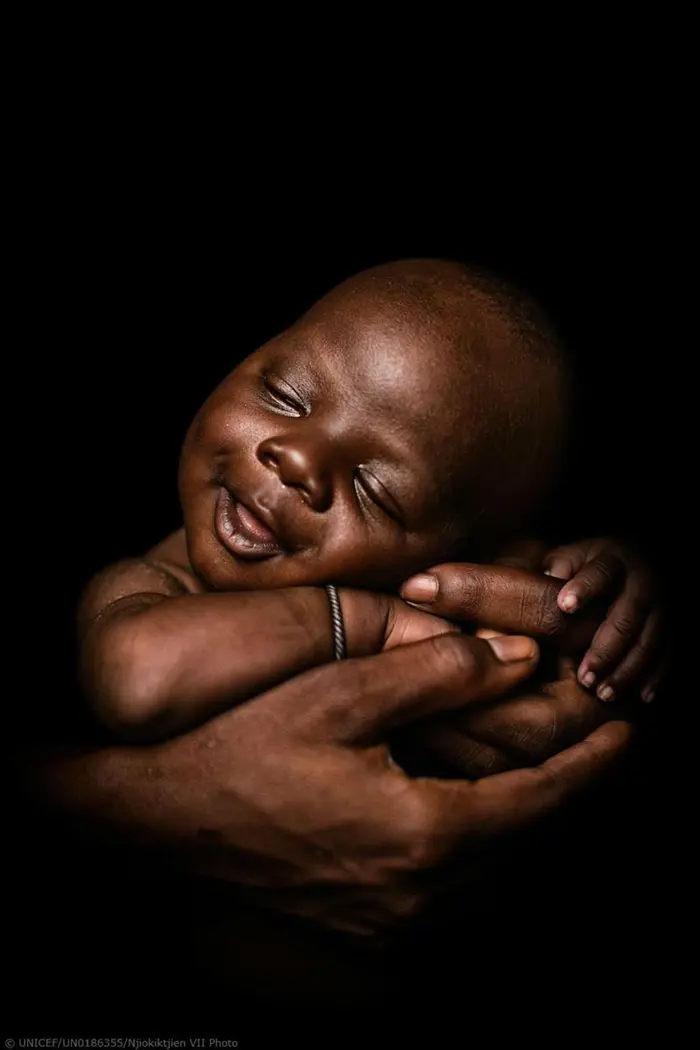
When you see your cute little one showing a smile while they are sleeping, you can feel love for them. However, you also need to know the meanings behind why do newborns smile.
It is typically considered a normal thing in your child's development. Hence, you don't need to worry about time and gain if you happen to see your baby smiling once or twice.
REM Sleep
Rapid Eye Movement sleep, aka REM, is a sleep stage where the brain is highly active. Babies can exhibit various facial expressions, and that includes smiles. This phase of sleep is associated with dreaming and can lead to spontaneous facial reactions.
This type of smile is typically involuntary and doesn’t necessarily indicate a particular emotional state. It’s a normal part of sleep development that does not hinder a baby's well-being.
Reflexive Smile
A reflexive smile in babies during sleep is usually an involuntary response controlled by the nervous system rather than an emotional expression.
These smiles are common in newborns and happen due to the immature development of facial muscles and brain activity. They are part of normal neural reflexes.
When the infant grows, reflexive smiles pave the path to more intentional and socially motivated expressions.
Muscle Development
Smiling while sleeping can indicate muscle development in babies. A baby's facial muscles become more developed and controlled as they age. During sleep, these muscles can twitch or contract involuntarily, leading to a cute smile.
Take this situation as a normal development where they gain better control over muscle movements. Such smiles reflect the ongoing process of mastering muscle coordination.
Early Social Development
Another meaning for the "Why my baby smile in sleep" issue is early social development. Kids start recognizing and making attachments to familiar faces and experiences.
Smiling during sleep can indicate the positive emotions and security they feel from these connections. The social development phase covers processing interactions and creating emotional bonds. This could manifest in smiles even subconsciously.
Ways To Make A Baby Sleep Comfortably
Proper sleep for a baby is crucial for their overall well-being and development. A comfortable sleep environment promotes restful and uninterrupted sleep, which can contribute to growth, cognitive development, and emotional regulation.
Likewise, a well-rested baby is usually more alert and content during waking hours, assisting in a better mood and developmental progress. Prioritizing comfort for a baby's napping time lays the base for a healthy and balanced early life.
Here are some of the ways that you can make your baby sleep comfortably:
Form a Consistent Routine
Creating a consistent bedtime routine signals your baby that it’s time to wind down. Consistency in bedtime and wake-up time will assist you in regulating your baby’s internal clock.
Incorporate calming activities like a warm bath, gentle rocking, or reading a short story. You can also aim for a predictable sequence of events before sleep. This will help to create a sense of familiarity that can make transitions smoother and more reassuring.
Proper Sleepwear
Appropriate sleepwear can keep your baby comfortable throughout the night. Go for lightweight, breathable fabrics that are suitable for the room’s temperature to prevent overheating.
Sleep sacks or wearable blankets could be a great alternative to loose blankets as they offer warmth without the risk of suffocation.
Likewise, you should avoid using too many layers of heavy clothing. Heavy-layered clothes can make your baby uncomfortable and lead to sleep disruption.
Make a Calm Environment
A serene sleep environment is essential for comfort. Make sure that the baby’s room is quiet and dimly lit. The temperature should also be moderated, ideally between 68 to 72 F.
Employ soft, breathable bedding, and forget heavy blankets or pillows that could pose a suffocation risk. You can consider using a white noise machine to mask disruptive sounds. A firm mattress with no stuffed animals should be present.
Monitor Sleep Patterns
Observing your baby’s sleep patterns might provide valuable insights into their comfort and needs. You need to track when they fall asleep, and wake up, and note any nighttime awakenings.
Adjust the sleep environment or sleepwear based on these observations. Regularly monitoring sleep patterns aids you in identifying what works best for your little one.
Utilze Gentle Sleep Training Techniques
Gentle sleep training methods might hassist your baby to fall asleep comfortably. These techniques involve slowly reducing your presence in the room or adjusting the time between checks, allowing your baby to self-soothe.
Consistency and patience are key, as abrupt changes can lead to stress. You need to choose methods that align with your family’s values and your baby’s temperament is important.